
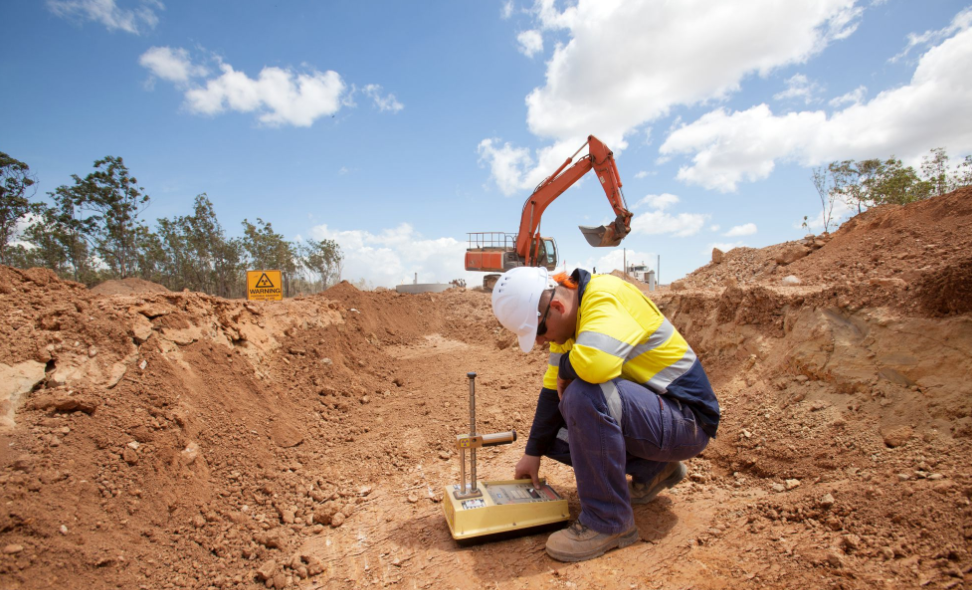
The world of construction has come a long way since the days of manual labour and simple machinery. Today, the industry is embracing a variety of innovative techniques and materials to create more efficient and sustainable projects. One area that has seen significant advancements in earthworks design. In this post, we will explore some of the latest innovations and trends in modern earthworks, from advanced soil analysis to eco-friendly materials.
Advanced Soil Analysis Techniques
In the past, determining the properties of soil was a time-consuming and labour-intensive process. However, modern technology has made it possible to analyze soil samples quickly and accurately, allowing engineers to make informed decisions about the best methods for earthworks. These advanced techniques include:
- Geotechnical Investigations: This involves drilling into the ground to collect soil samples, which are then analyzed for various properties such as density, strength, and permeability. This information is crucial for designing effective earthworks projects.
- Geophysical Surveys: These surveys use non-invasive techniques like ground-penetrating radar (GPR) and seismic refraction to assess the subsurface conditions of a site. By identifying potential problem areas, engineers can adapt their earthworks to accommodate these challenges.
Sustainable Materials and Practices
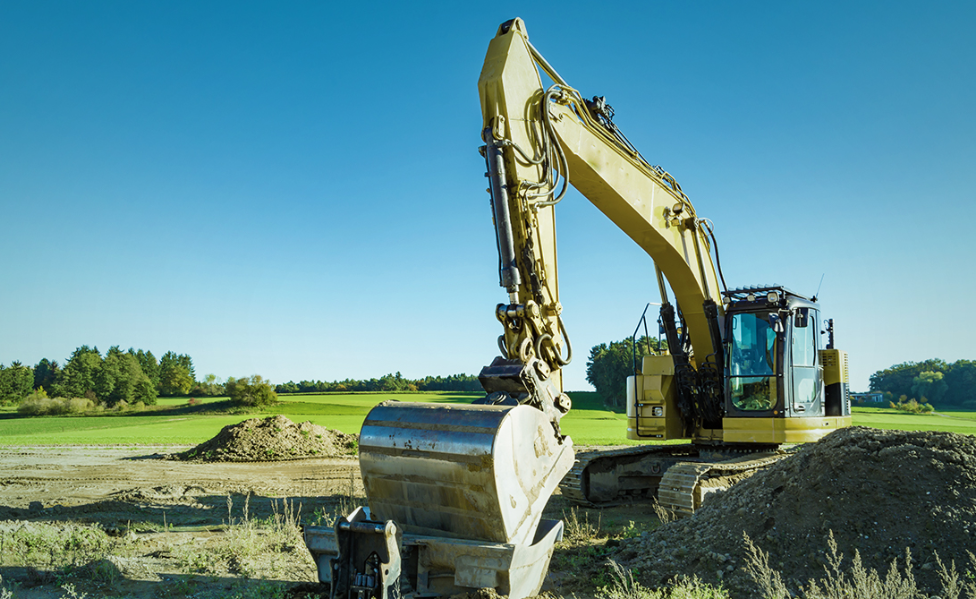
Environmental sustainability is a growing concern in the construction industry, and earthworks are no exception. Engineers are increasingly turning to eco-friendly materials and practices to minimize the environmental impact of their projects. Some examples of these innovative methods include:
- Recycled Materials: Using recycled materials like crushed concrete and reclaimed asphalt pavement (RAP) not only reduces waste but also provides a cost-effective alternative to traditional materials.
- Erosion Control: Implementing erosion control measures like silt fences, sediment basins, and vegetation cover helps protect surrounding ecosystems from the negative effects of construction activities.
- Low-Impact Development (LID): LID is an approach that aims to minimize the impact on the environment by preserving natural features and using techniques like permeable pavements and rain gardens to manage stormwater runoff.
Innovative Retaining Wall Design
Retaining walls play a crucial role in many earthworks projects, providing support and stability to slopes and embankments. Modern retaining wall design has evolved to incorporate new materials and techniques, resulting in more efficient and visually appealing structures.
Conclusion
By embracing advanced soil analysis techniques, sustainable materials and practices, innovative retaining wall design, and cutting-edge technology, engineers are pushing the boundaries of what is possible in modern earthworks design. As these trends continue to develop, we can expect even more exciting and groundbreaking advancements in the years to come.